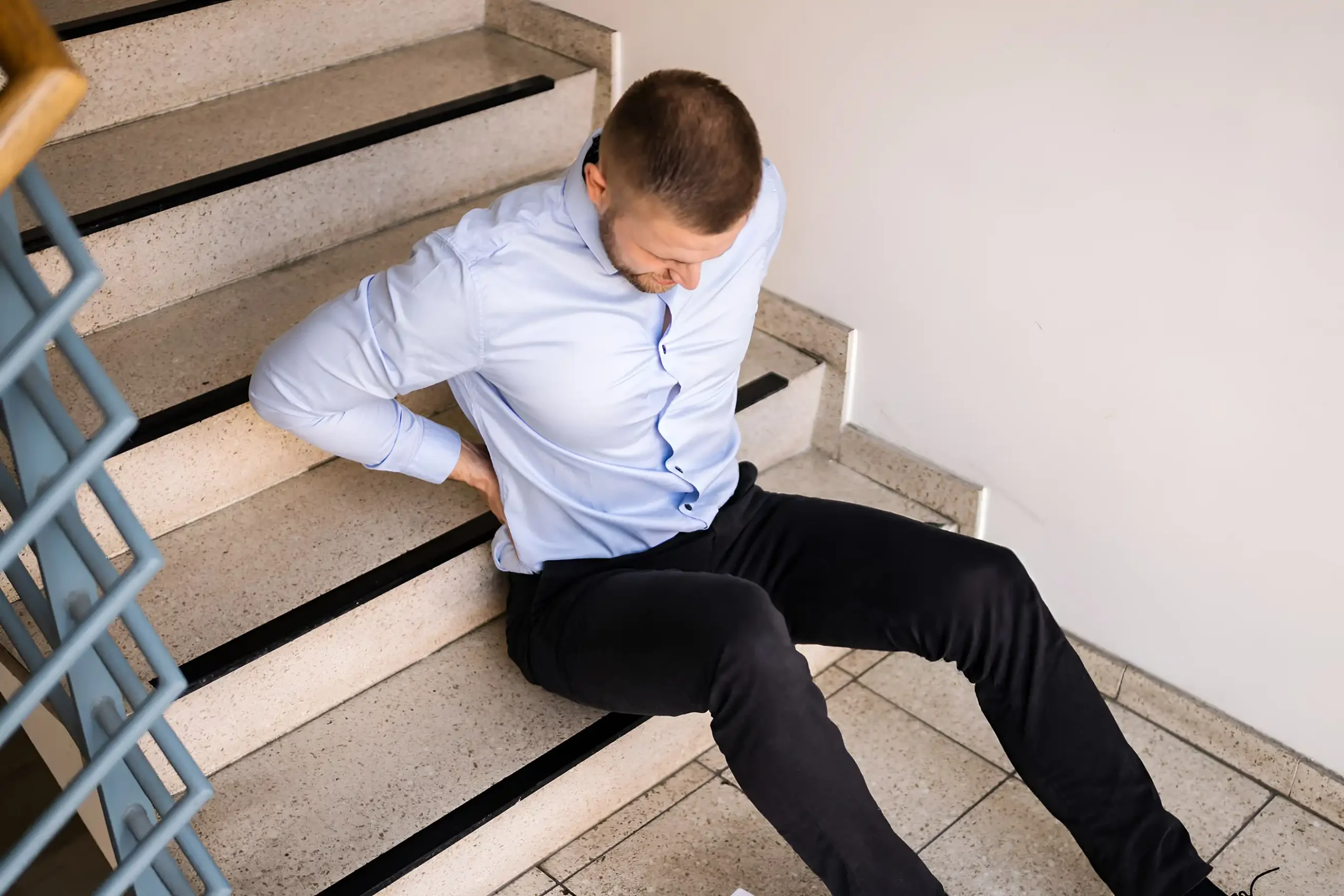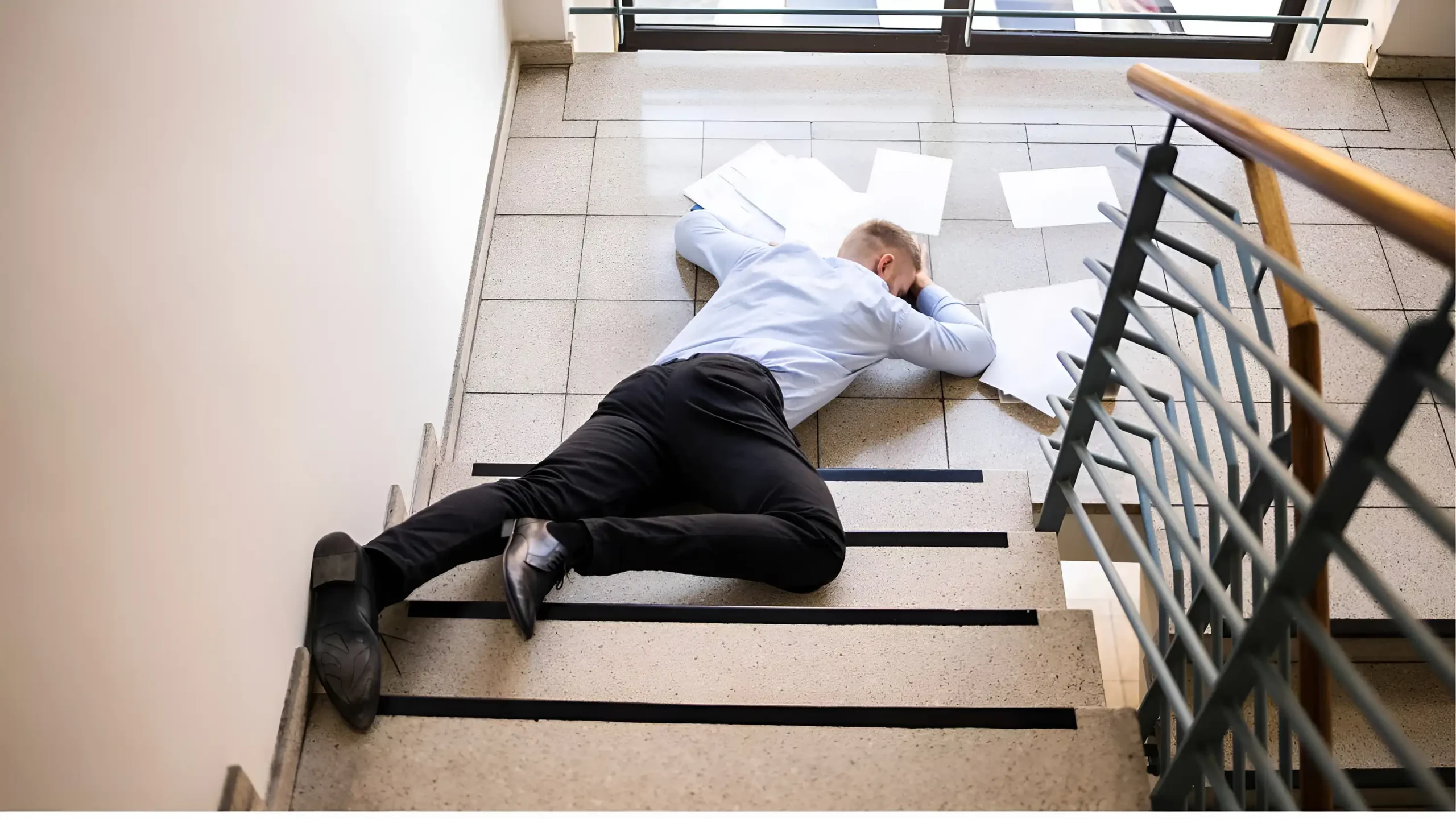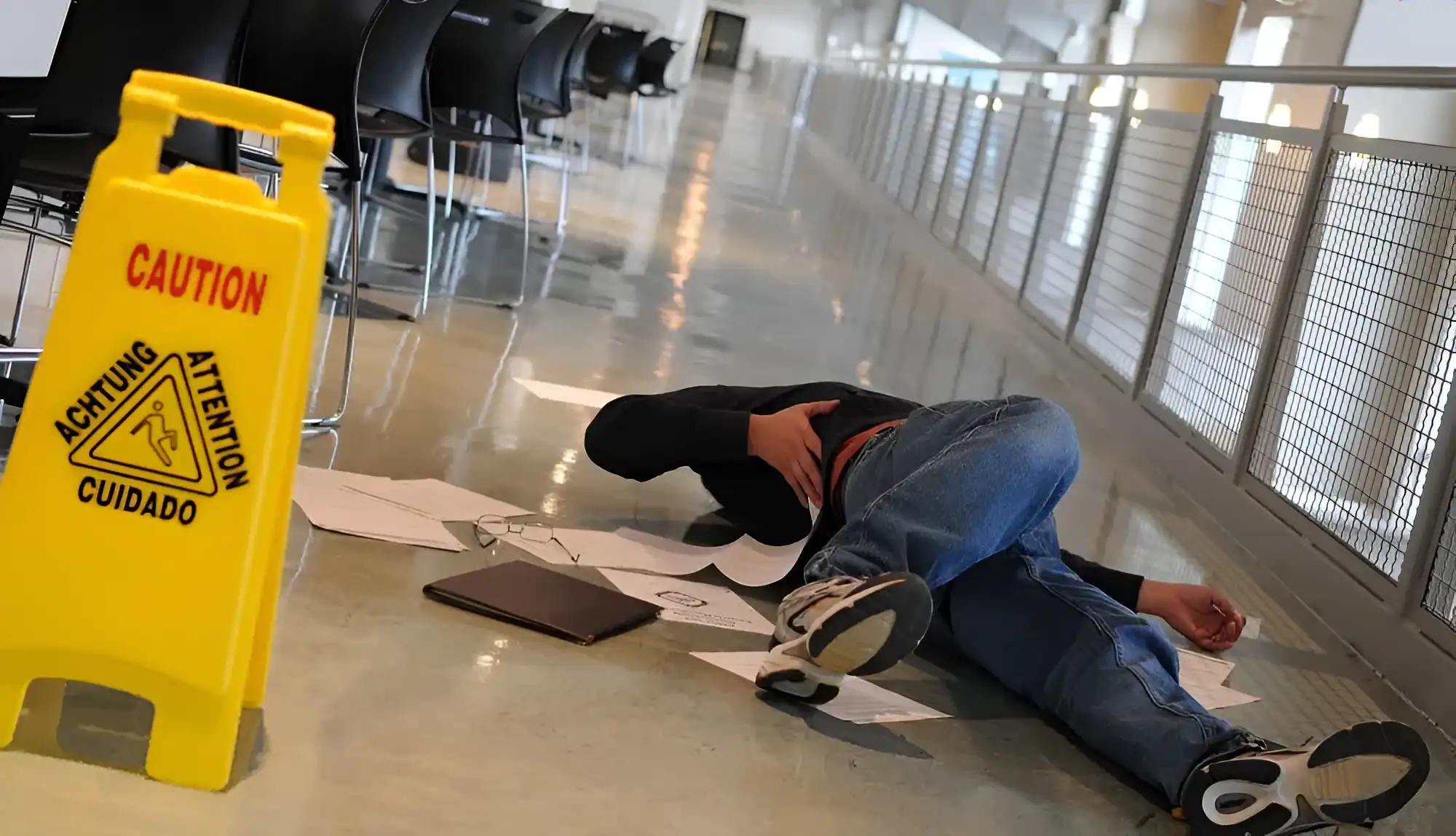


Experiencing a fall on another person’s property can be disorienting and stressful. Many people are unsure whether they have any legal recourse or what steps they should take immediately afterward. Understanding your options early can make a significant difference in protecting both your health and your potential claim.
What should I do right after a slip and fall?
Your first priority is safety. If you feel pain, dizziness, or suspect any injury, remain where you are and call for assistance. Emergency responders are trained to assess injuries that may not be immediately obvious, such as head trauma or internal damage. Even if you believe the injury is minor, it is still wise to obtain a medical evaluation the same day. Medical records created close in time to the incident are often critical in documenting what happened and how it affected you.
Should I collect evidence at the scene?
If you are physically able—or if a companion can assist—photograph the area where the fall occurred as soon as possible. Capture anything that may have contributed to the incident: wet flooring, uneven pavement, torn carpeting, poor lighting, debris, or missing warning signs. Conditions can change quickly once staff or property owners become aware of a hazard, so timely photos can preserve details that might otherwise disappear.
Do I need to notify the property owner?
Yes. Informing the owner, manager, or another responsible party creates a record that the incident occurred. This does not require giving a detailed statement or accepting blame. A simple notification helps establish the time, date, and location of the fall and may prompt corrective action to prevent harm to others.
What typically causes slip and fall accidents?
Falls often result from preventable maintenance issues or overlooked safety risks. Common contributors include slick floors from spills or cleaning products, cracked sidewalks, loose rugs or mats, insufficient lighting, unexpected elevation changes, and grease or water accumulation in walkways. Property owners are generally expected to inspect and maintain their premises to reduce these foreseeable dangers.
Can injuries at a private residence still lead to a claim?
In many situations, yes. Accidents are not limited to businesses or public venues. Guests in private homes may have valid claims depending on the circumstances and the homeowner’s insurance coverage. The key consideration is whether the host knew—or reasonably should have known—about a hazardous condition and failed to address or warn visitors.
Who may be legally responsible?
Liability is not always limited to a single individual. Depending on the facts, responsibility may extend to property owners, tenants, maintenance contractors, property management companies, or cleaning services. Determining who had control over the area and who was responsible for upkeep is an essential part of evaluating a slip and fall case.