Common Causes of Slip and Fall AccidentsSalusky Law Group

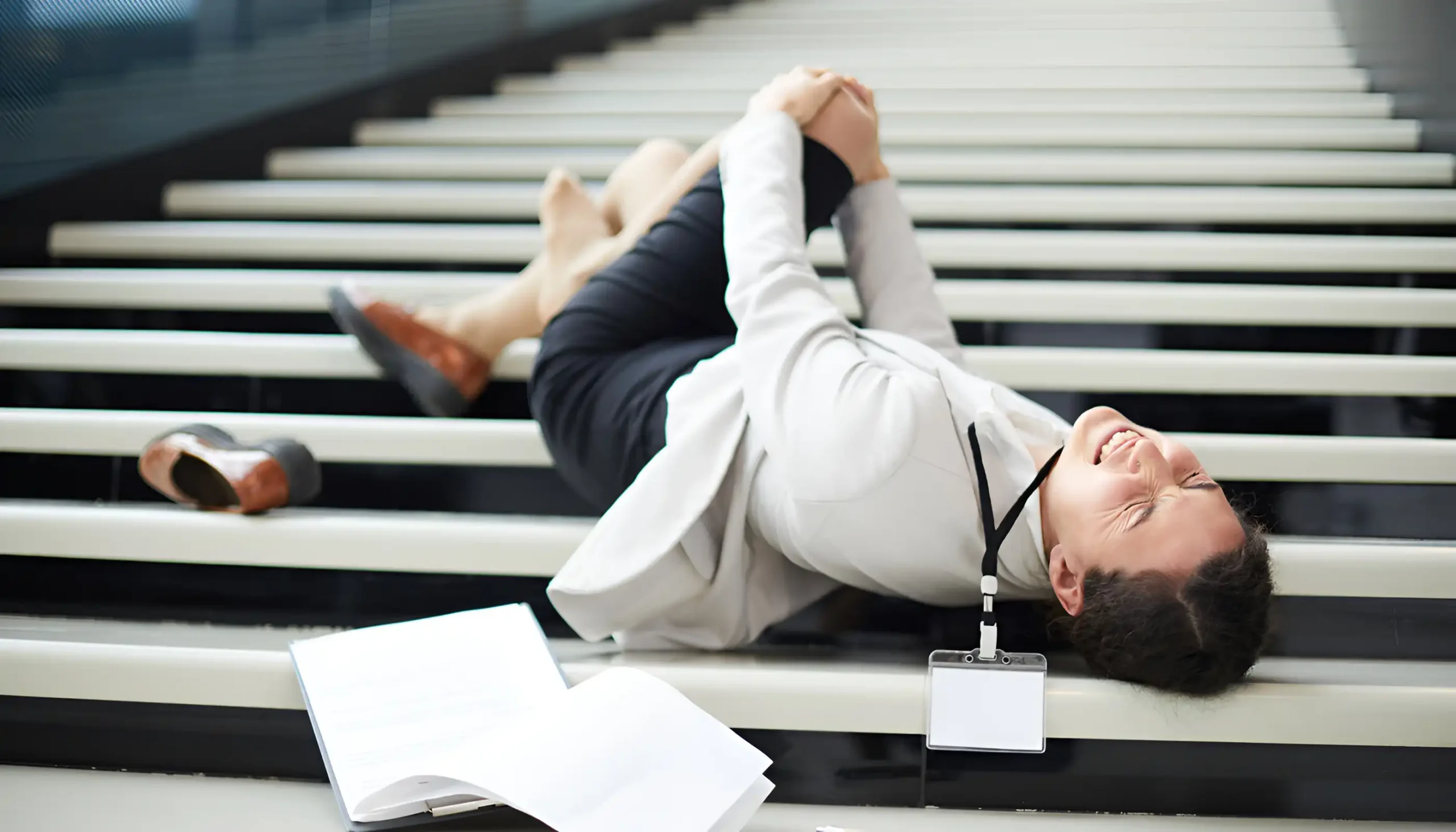
Falls are consistently ranked among the leading causes of preventable injuries in the United States. While some incidents result in minor bruises, others lead to broken bones, spinal trauma, or head injuries with long-term consequences. Property owners and managers generally have a legal responsibility to maintain reasonably safe conditions for visitors. When hazards are ignored or left unaddressed, serious accidents can occur—and those responsible may be held legally accountable.

Slip and fall incidents can happen almost anywhere: retail stores, apartment complexes, office buildings, sidewalks, parking lots, or private homes. Understanding the most common causes can help individuals recognize dangerous conditions and know when legal action may be appropriate.

What Is a Slip and Fall Accident?

A slip and fall occurs when a person loses traction or balance due to a hazardous surface and sustains an injury as a result. These accidents frequently take place in commercial environments such as:

  • Grocery and retail stores
  • Restaurants and entertainment venues
  • Fitness centers and recreational facilities
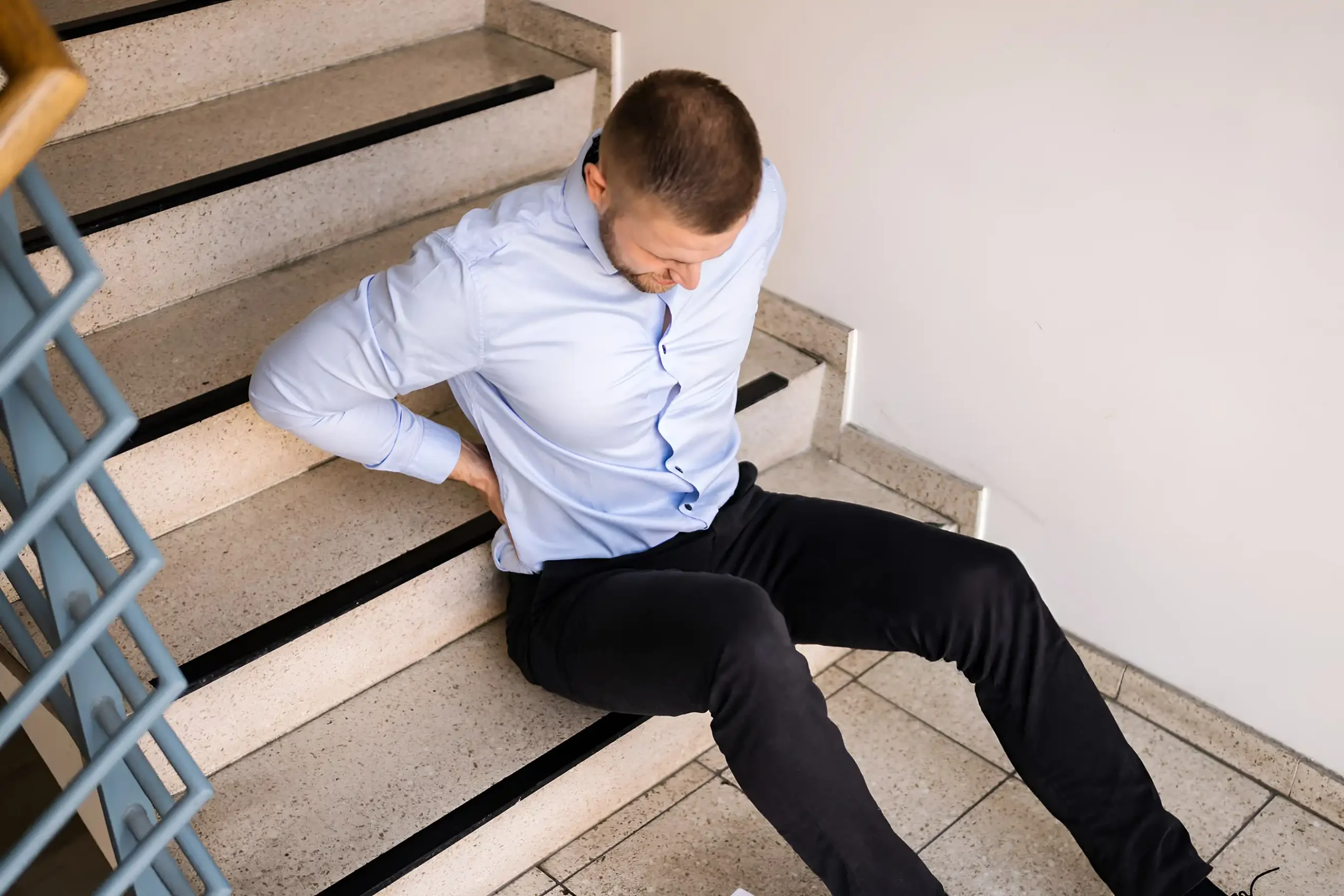
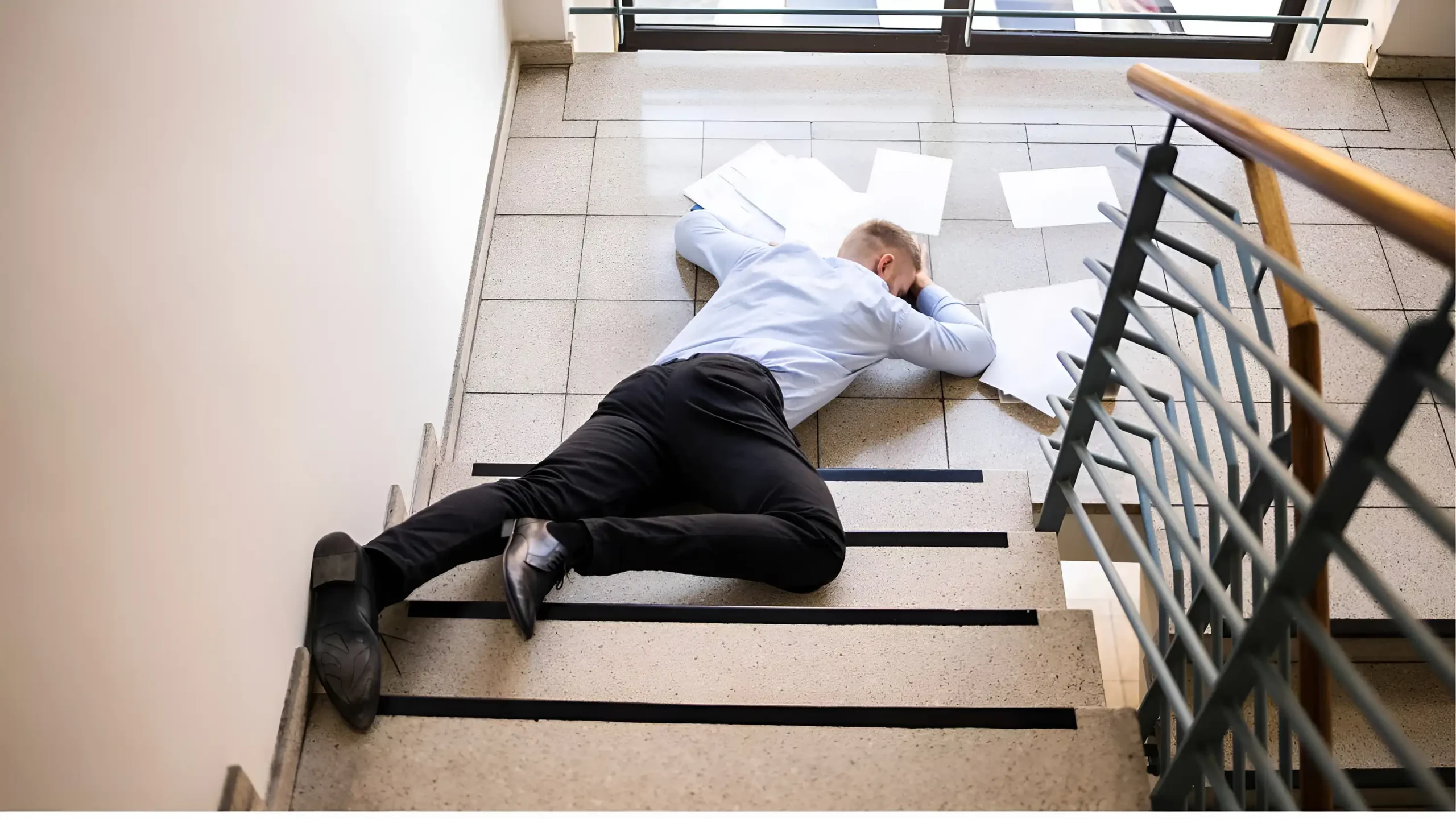
  • Parking structures, stairwells, and building entrances

However, they are not limited to businesses. Private residences, yards, pools, and walkways can also present risks when maintenance is neglected or hazards are left unattended.

Who May Be Responsible?

Responsibility typically depends on who controlled or maintained the property at the time of the incident. Owners, tenants, management companies, or maintenance contractors may all share liability if they failed to inspect, repair, or warn about dangerous conditions that they knew—or reasonably should have known—existed. Visitors who are lawfully on the property are generally entitled to expect reasonable care in keeping premises safe.

Frequent Causes of Slip and Fall Injuries

Unsafe Walking Surfaces

Many falls stem from preventable floor or ground conditions, including:

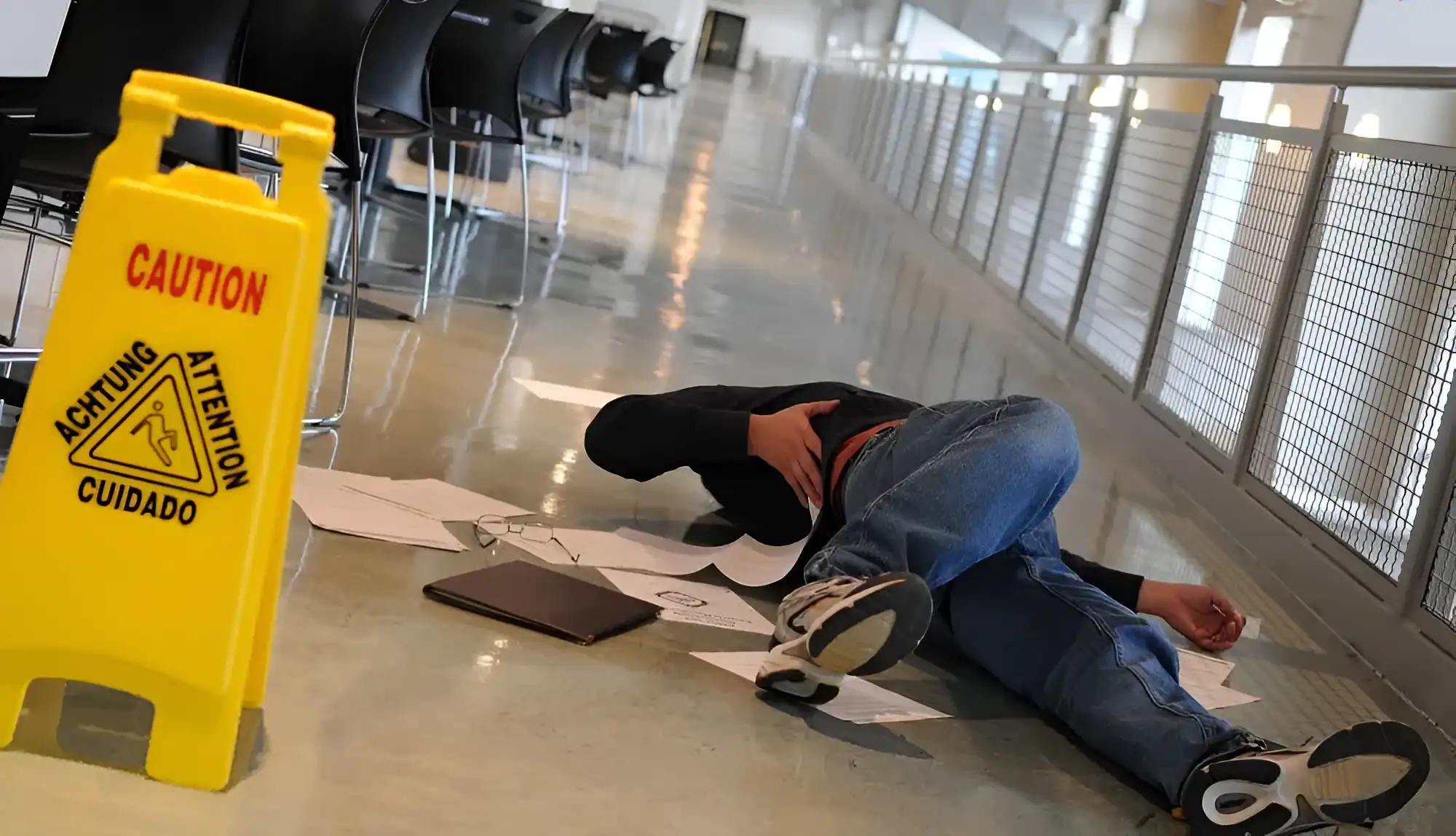
  • Wet or slippery floors from spills, leaks, tracked-in rainwater, or recent mopping without warning signs
  • Cracked pavement or potholes in sidewalks and parking lots
  • Loose floorboards or tiles that shift underfoot
  • Improper flooring materials that lack adequate traction in high-traffic or moisture-prone areas

These hazards often arise from delayed repairs or insufficient cleaning protocols.

Structural and Environmental Issues

The physical condition of a building or property can significantly increase fall risk:

  • Poor lighting that obscures obstacles or elevation changes
  • Damaged handrails or banisters that fail when relied upon for balance
  • Uneven stair heights or broken steps that disrupt normal movement

When visibility or structural integrity is compromised, even cautious visitors can be injured.

Weather-Related Conditions

Rain, snow, and ice frequently contribute to hazardous surfaces. While natural weather conditions alone do not automatically create liability, responsibility may arise when a property owner worsens or fails to address foreseeable dangers—such as allowing meltwater to refreeze into slick patches or neglecting routine clearing of entryways and walkways.

Trip-and-Fall Hazards

Not all falls involve slipping. Tripping incidents are equally common and often result from forward momentum over an unseen obstacle. Typical causes include:

  • Unsecured electrical cords or cables across walking paths
  • Clutter, debris, or construction materials left in public areas
  • Loose rugs or curled carpeting that catch a person’s foot
  • Uneven thresholds or broken steps in stairways and doorways

These hazards frequently appear in both commercial and residential settings and are often preventable through regular inspection and housekeeping.

How Legal Guidance Can Help

When a fall leads to medical treatment, missed work, or lasting physical effects, speaking with an attorney can clarify whether negligence played a role. Salusky Law Group assists injured individuals in evaluating premises liability claims, preserving evidence, and pursuing compensation for medical expenses, lost income, and pain and suffering when appropriate.

Recognizing the common causes of slip and fall accidents is not only important for prevention—it also helps establish when unsafe conditions may give rise to legal responsibility.
Falls are consistently ranked among the leading causes of preventable injuries in the United States. While some incidents result in minor bruises, others lead to broken bones, spinal trauma, or head injuries with long-term consequences. Property owners and managers generally have a legal responsibility to maintain reasonably safe conditions for visitors. When hazards are ignored or left unaddressed, serious accidents can occur—and those responsible may be held legally accountable.

Slip and fall incidents can happen almost anywhere: retail stores, apartment complexes, office buildings, sidewalks, parking lots, or private homes. Understanding the most common causes can help individuals recognize dangerous conditions and know when legal action may be appropriate.

What Is a Slip and Fall Accident?

A slip and fall occurs when a person loses traction or balance due to a hazardous surface and sustains an injury as a result. These accidents frequently take place in commercial environments such as:

  • Grocery and retail stores
  • Restaurants and entertainment venues
  • Fitness centers and recreational facilities
  • Parking structures, stairwells, and building entrances

However, they are not limited to businesses. Private residences, yards, pools, and walkways can also present risks when maintenance is neglected or hazards are left unattended.

Who May Be Responsible?

Responsibility typically depends on who controlled or maintained the property at the time of the incident. Owners, tenants, management companies, or maintenance contractors may all share liability if they failed to inspect, repair, or warn about dangerous conditions that they knew—or reasonably should have known—existed. Visitors who are lawfully on the property are generally entitled to expect reasonable care in keeping premises safe.

Frequent Causes of Slip and Fall Injuries

Unsafe Walking Surfaces

Many falls stem from preventable floor or ground conditions, including:

  • Wet or slippery floors from spills, leaks, tracked-in rainwater, or recent mopping without warning signs
  • Cracked pavement or potholes in sidewalks and parking lots
  • Loose floorboards or tiles that shift underfoot
  • Improper flooring materials that lack adequate traction in high-traffic or moisture-prone areas

These hazards often arise from delayed repairs or insufficient cleaning protocols.

Structural and Environmental Issues

The physical condition of a building or property can significantly increase fall risk:

  • Poor lighting that obscures obstacles or elevation changes
  • Damaged handrails or banisters that fail when relied upon for balance
  • Uneven stair heights or broken steps that disrupt normal movement

When visibility or structural integrity is compromised, even cautious visitors can be injured.

Weather-Related Conditions

Rain, snow, and ice frequently contribute to hazardous surfaces. While natural weather conditions alone do not automatically create liability, responsibility may arise when a property owner worsens or fails to address foreseeable dangers—such as allowing meltwater to refreeze into slick patches or neglecting routine clearing of entryways and walkways.

Trip-and-Fall Hazards

Not all falls involve slipping. Tripping incidents are equally common and often result from forward momentum over an unseen obstacle. Typical causes include:

  • Unsecured electrical cords or cables across walking paths
  • Clutter, debris, or construction materials left in public areas
  • Loose rugs or curled carpeting that catch a person’s foot
  • Uneven thresholds or broken steps in stairways and doorways

These hazards frequently appear in both commercial and residential settings and are often preventable through regular inspection and housekeeping.

How Legal Guidance Can Help

When a fall leads to medical treatment, missed work, or lasting physical effects, speaking with an attorney can clarify whether negligence played a role. Salusky Law Group assists injured individuals in evaluating premises liability claims, preserving evidence, and pursuing compensation for medical expenses, lost income, and pain and suffering when appropriate.

Recognizing the common causes of slip and fall accidents is not only important for prevention—it also helps establish when unsafe conditions may give rise to legal responsibility.
Common Causes of Slip and Fall AccidentsSalusky Law Group

Falls are consistently ranked among the leading causes of preventable injuries in the United States. While some incidents result in minor bruises, others lead to broken bones, spinal trauma, or head injuries with long-term consequences. Property owners and managers generally have a legal responsibility to maintain reasonably safe conditions for visitors. When hazards are ignored or left unaddressed, serious accidents can occur—and those responsible may be held legally accountable.

Slip and fall incidents can happen almost anywhere: retail stores, apartment complexes, office buildings, sidewalks, parking lots, or private homes. Understanding the most common causes can help individuals recognize dangerous conditions and know when legal action may be appropriate.

What Is a Slip and Fall Accident?

A slip and fall occurs when a person loses traction or balance due to a hazardous surface and sustains an injury as a result. These accidents frequently take place in commercial environments such as:

  • Grocery and retail stores
  • Restaurants and entertainment venues
  • Fitness centers and recreational facilities
  • Parking structures, stairwells, and building entrances

However, they are not limited to businesses. Private residences, yards, pools, and walkways can also present risks when maintenance is neglected or hazards are left unattended.

Who May Be Responsible?

Responsibility typically depends on who controlled or maintained the property at the time of the incident. Owners, tenants, management companies, or maintenance contractors may all share liability if they failed to inspect, repair, or warn about dangerous conditions that they knew—or reasonably should have known—existed. Visitors who are lawfully on the property are generally entitled to expect reasonable care in keeping premises safe.

Frequent Causes of Slip and Fall Injuries

Unsafe Walking Surfaces

Many falls stem from preventable floor or ground conditions, including:

  • Wet or slippery floors from spills, leaks, tracked-in rainwater, or recent mopping without warning signs
  • Cracked pavement or potholes in sidewalks and parking lots
  • Loose floorboards or tiles that shift underfoot
  • Improper flooring materials that lack adequate traction in high-traffic or moisture-prone areas

These hazards often arise from delayed repairs or insufficient cleaning protocols.

Structural and Environmental Issues

The physical condition of a building or property can significantly increase fall risk:

  • Poor lighting that obscures obstacles or elevation changes
  • Damaged handrails or banisters that fail when relied upon for balance
  • Uneven stair heights or broken steps that disrupt normal movement

When visibility or structural integrity is compromised, even cautious visitors can be injured.

Weather-Related Conditions

Rain, snow, and ice frequently contribute to hazardous surfaces. While natural weather conditions alone do not automatically create liability, responsibility may arise when a property owner worsens or fails to address foreseeable dangers—such as allowing meltwater to refreeze into slick patches or neglecting routine clearing of entryways and walkways.

Trip-and-Fall Hazards

Not all falls involve slipping. Tripping incidents are equally common and often result from forward momentum over an unseen obstacle. Typical causes include:

  • Unsecured electrical cords or cables across walking paths
  • Clutter, debris, or construction materials left in public areas
  • Loose rugs or curled carpeting that catch a person’s foot
  • Uneven thresholds or broken steps in stairways and doorways

These hazards frequently appear in both commercial and residential settings and are often preventable through regular inspection and housekeeping.

How Legal Guidance Can Help

When a fall leads to medical treatment, missed work, or lasting physical effects, speaking with an attorney can clarify whether negligence played a role. Salusky Law Group assists injured individuals in evaluating premises liability claims, preserving evidence, and pursuing compensation for medical expenses, lost income, and pain and suffering when appropriate.

Recognizing the common causes of slip and fall accidents is not only important for prevention—it also helps establish when unsafe conditions may give rise to legal responsibility.

Related Insights