Are Slip and Fall Incidents Considered Personal Injury Cases?Salusky Law Group

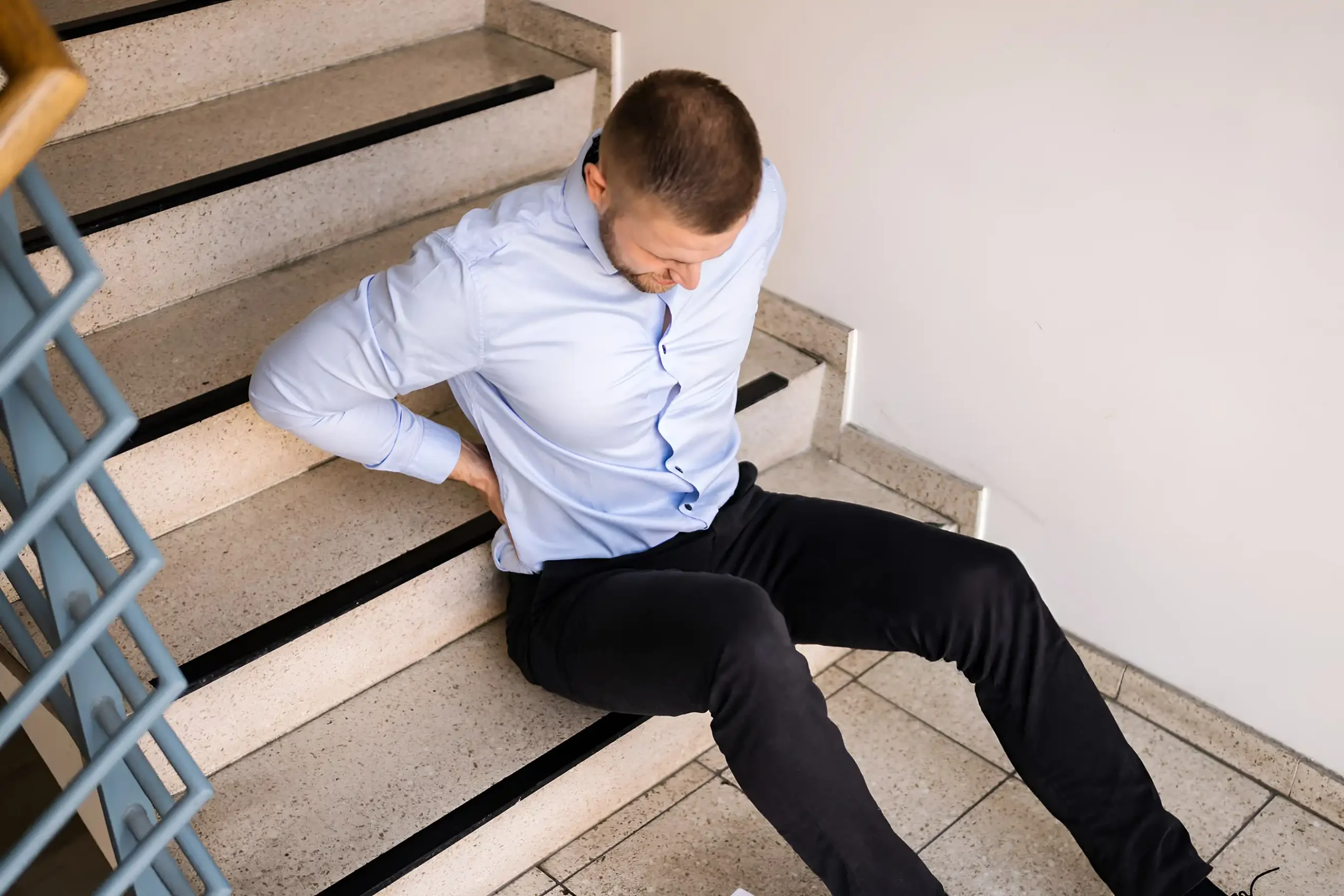
Each year, countless individuals are injured after losing their footing on unsafe property conditions. Some walk away with minor bruises, while others face fractures, head trauma, or long-term medical complications. When a fall happens because a property was not properly maintained or hazards were ignored, the injured person often wonders whether the situation qualifies as a personal injury claim. In many cases, it does.

Do Slip and Falls Count as Personal Injury?
Generally, yes. A slip and fall can fall under personal injury law when someone is harmed due to another party’s negligence. Property owners and managers have a legal duty to keep their premises reasonably safe. When they fail to repair known dangers, clean spills, or warn visitors about risks, they may be held financially responsible for resulting injuries. Compensation can include medical expenses, lost income, rehabilitation costs, and damages for pain or emotional distress.

Where Do These Accidents Commonly Occur?
Slip and fall injuries are not limited to one type of location. They can happen in grocery stores, office buildings, apartment complexes, parking lots, private residences, or public walkways. The key factor is whether a hazardous condition existed and whether the responsible party knew—or should have known—about it and failed to take corrective action.

Frequent Causes of Slip and Fall Injuries
Unsafe walking conditions often stem from preventable issues such as:

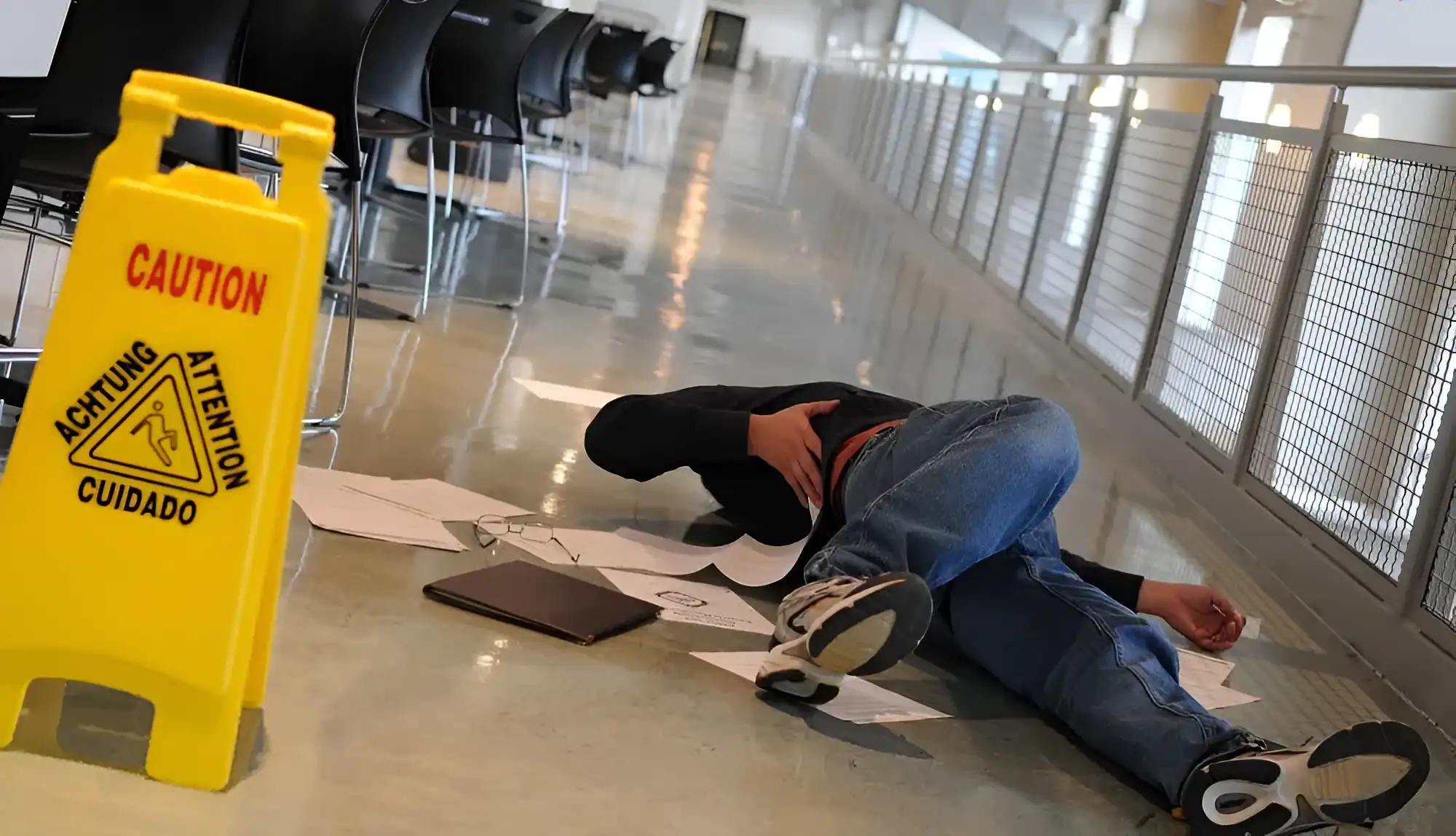
  • Slick or freshly mopped floors without warning signs
  • Inadequate lighting in hallways or stairwells
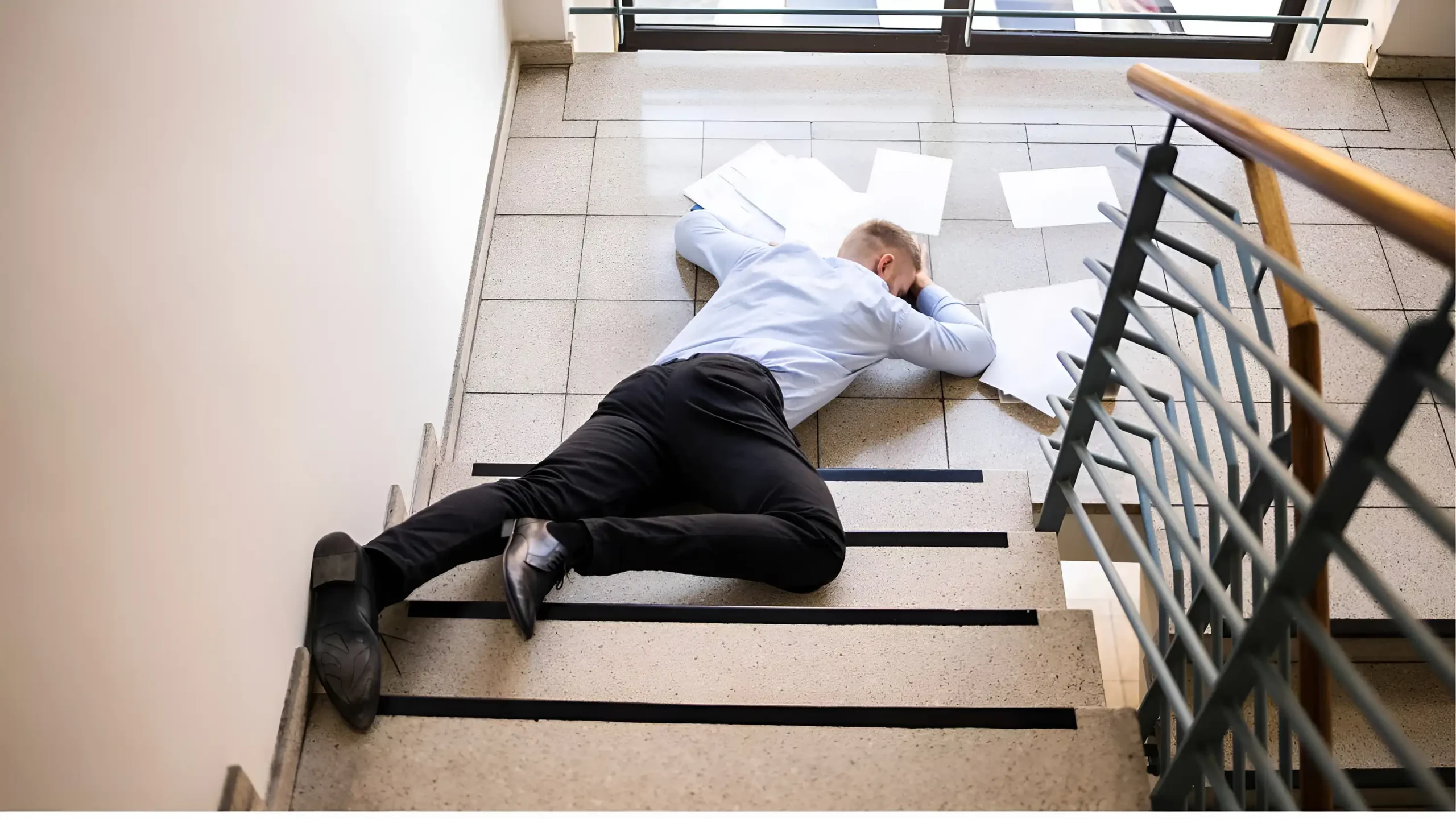
  • Damaged steps or loose handrails
  • Uneven pavement or cracked sidewalks
  • Water, grease, or debris on walking surfaces
  • Ice or weather-related buildup in entryways and parking areas

When hazards are left unaddressed, the risk of injury rises significantly.

What Must Be Proven in a Claim?
To succeed in a personal injury case arising from a fall, the injured person must typically demonstrate that negligence played a role. This often involves showing that the dangerous condition was foreseeable, that reasonable steps were not taken to correct or warn about it, and that the injuries directly resulted from that condition. Evidence such as photographs, medical records, incident reports, and witness statements can be crucial.

Potential Injuries From Slip and Falls
The severity of injuries varies widely depending on the individual and the circumstances. Common outcomes include neck and shoulder strain, spinal injuries, broken bones, nerve damage, concussions, or traumatic brain injuries. In extreme cases, falls can result in permanent disability or even loss of life. Even injuries that seem minor at first can develop into chronic conditions if not properly treated.

When to Seek Legal Guidance
If a fall leads to significant medical treatment, missed work, or lasting physical effects, consulting a qualified attorney can help clarify available options. Salusky Law Group assists individuals in evaluating whether negligence contributed to their injuries and in pursuing appropriate compensation when warranted. The goal is not only financial recovery, but also accountability—encouraging safer property conditions so similar incidents can be prevented in the future.


Each year, countless individuals are injured after losing their footing on unsafe property conditions. Some walk away with minor bruises, while others face fractures, head trauma, or long-term medical complications. When a fall happens because a property was not properly maintained or hazards were ignored, the injured person often wonders whether the situation qualifies as a personal injury claim. In many cases, it does.

Do Slip and Falls Count as Personal Injury?
Generally, yes. A slip and fall can fall under personal injury law when someone is harmed due to another party’s negligence. Property owners and managers have a legal duty to keep their premises reasonably safe. When they fail to repair known dangers, clean spills, or warn visitors about risks, they may be held financially responsible for resulting injuries. Compensation can include medical expenses, lost income, rehabilitation costs, and damages for pain or emotional distress.

Where Do These Accidents Commonly Occur?
Slip and fall injuries are not limited to one type of location. They can happen in grocery stores, office buildings, apartment complexes, parking lots, private residences, or public walkways. The key factor is whether a hazardous condition existed and whether the responsible party knew—or should have known—about it and failed to take corrective action.

Frequent Causes of Slip and Fall Injuries
Unsafe walking conditions often stem from preventable issues such as:

  • Slick or freshly mopped floors without warning signs
  • Inadequate lighting in hallways or stairwells
  • Damaged steps or loose handrails
  • Uneven pavement or cracked sidewalks
  • Water, grease, or debris on walking surfaces
  • Ice or weather-related buildup in entryways and parking areas

When hazards are left unaddressed, the risk of injury rises significantly.

What Must Be Proven in a Claim?
To succeed in a personal injury case arising from a fall, the injured person must typically demonstrate that negligence played a role. This often involves showing that the dangerous condition was foreseeable, that reasonable steps were not taken to correct or warn about it, and that the injuries directly resulted from that condition. Evidence such as photographs, medical records, incident reports, and witness statements can be crucial.

Potential Injuries From Slip and Falls
The severity of injuries varies widely depending on the individual and the circumstances. Common outcomes include neck and shoulder strain, spinal injuries, broken bones, nerve damage, concussions, or traumatic brain injuries. In extreme cases, falls can result in permanent disability or even loss of life. Even injuries that seem minor at first can develop into chronic conditions if not properly treated.

When to Seek Legal Guidance
If a fall leads to significant medical treatment, missed work, or lasting physical effects, consulting a qualified attorney can help clarify available options. Salusky Law Group assists individuals in evaluating whether negligence contributed to their injuries and in pursuing appropriate compensation when warranted. The goal is not only financial recovery, but also accountability—encouraging safer property conditions so similar incidents can be prevented in the future.

Are Slip and Fall Incidents Considered Personal Injury Cases?Salusky Law Group

Each year, countless individuals are injured after losing their footing on unsafe property conditions. Some walk away with minor bruises, while others face fractures, head trauma, or long-term medical complications. When a fall happens because a property was not properly maintained or hazards were ignored, the injured person often wonders whether the situation qualifies as a personal injury claim. In many cases, it does.

Do Slip and Falls Count as Personal Injury?
Generally, yes. A slip and fall can fall under personal injury law when someone is harmed due to another party’s negligence. Property owners and managers have a legal duty to keep their premises reasonably safe. When they fail to repair known dangers, clean spills, or warn visitors about risks, they may be held financially responsible for resulting injuries. Compensation can include medical expenses, lost income, rehabilitation costs, and damages for pain or emotional distress.

Where Do These Accidents Commonly Occur?
Slip and fall injuries are not limited to one type of location. They can happen in grocery stores, office buildings, apartment complexes, parking lots, private residences, or public walkways. The key factor is whether a hazardous condition existed and whether the responsible party knew—or should have known—about it and failed to take corrective action.

Frequent Causes of Slip and Fall Injuries
Unsafe walking conditions often stem from preventable issues such as:

  • Slick or freshly mopped floors without warning signs
  • Inadequate lighting in hallways or stairwells
  • Damaged steps or loose handrails
  • Uneven pavement or cracked sidewalks
  • Water, grease, or debris on walking surfaces
  • Ice or weather-related buildup in entryways and parking areas

When hazards are left unaddressed, the risk of injury rises significantly.

What Must Be Proven in a Claim?
To succeed in a personal injury case arising from a fall, the injured person must typically demonstrate that negligence played a role. This often involves showing that the dangerous condition was foreseeable, that reasonable steps were not taken to correct or warn about it, and that the injuries directly resulted from that condition. Evidence such as photographs, medical records, incident reports, and witness statements can be crucial.

Potential Injuries From Slip and Falls
The severity of injuries varies widely depending on the individual and the circumstances. Common outcomes include neck and shoulder strain, spinal injuries, broken bones, nerve damage, concussions, or traumatic brain injuries. In extreme cases, falls can result in permanent disability or even loss of life. Even injuries that seem minor at first can develop into chronic conditions if not properly treated.

When to Seek Legal Guidance
If a fall leads to significant medical treatment, missed work, or lasting physical effects, consulting a qualified attorney can help clarify available options. Salusky Law Group assists individuals in evaluating whether negligence contributed to their injuries and in pursuing appropriate compensation when warranted. The goal is not only financial recovery, but also accountability—encouraging safer property conditions so similar incidents can be prevented in the future.

Related Insights